Prompt and Circumstance - Practical Uses of AI for Any Employee
Introducing a simple 5-step prompting method to derive value from AI.

Chris Greco
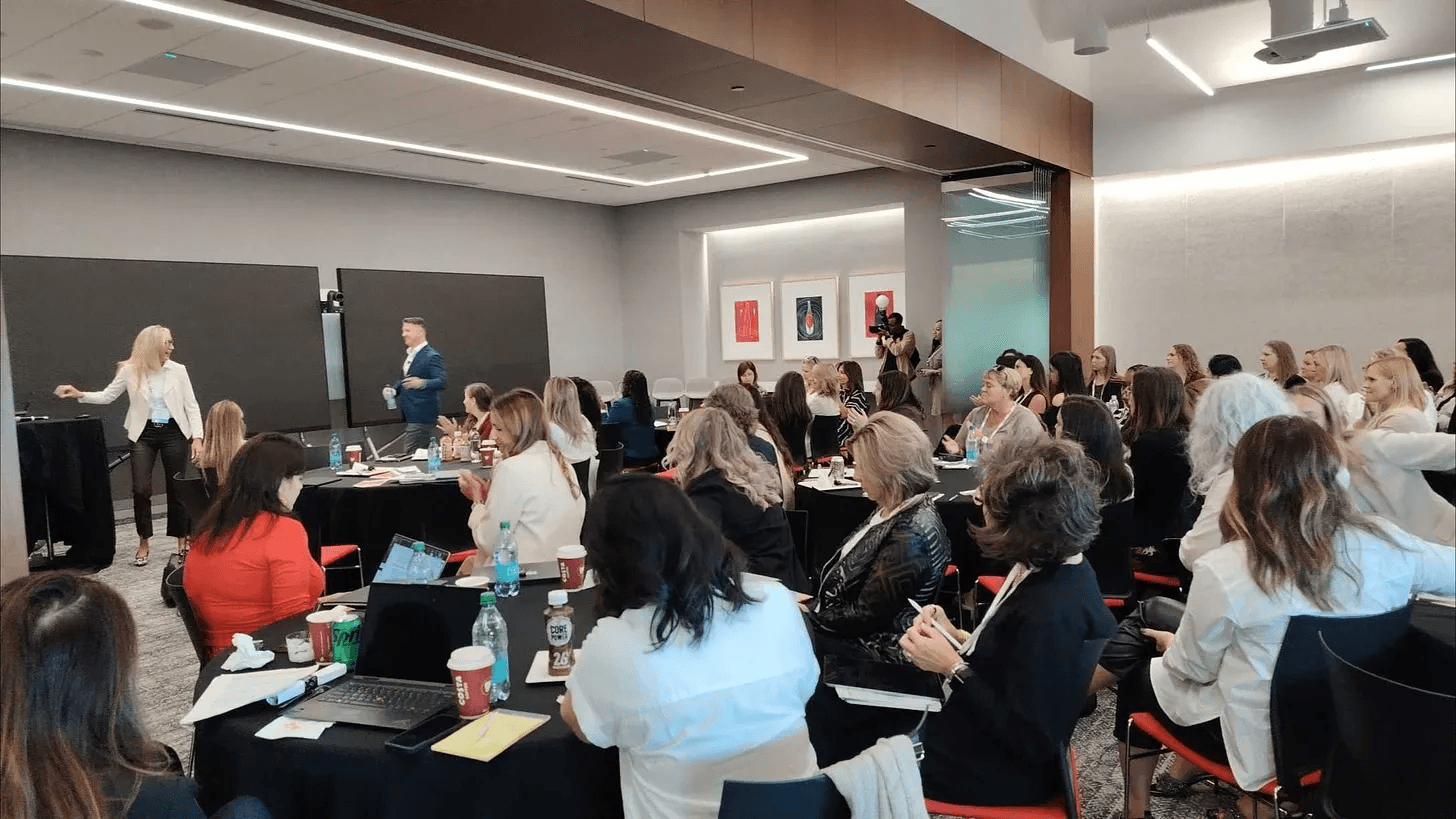
This article is modified from the speech by Chris Greco at the WGA Symposium on 17 Sept 2025, organized by the Women Grocers Association and held at the Coca-Cola Global Headquarters in Atlanta, Georgia.
Maria, the COO of a 15-store grocery chain, sat at her desk late one evening. Shrink was climbing, labor costs were squeezing margins, and sales comps had flattened. Her inbox overflowed with vendor emails promising solutions, but none of it felt actionable. Out of curiosity, she typed into ChatGPT:
“You are a grocery operator with 20 years of experience. What would you do first if you were me?”
The answer was so clear and relevant that it stopped her in her tracks. For the first time, Maria realized AI wasn’t a gimmick—it was a leadership advantage.
This moment is playing out across boardrooms and back offices in retail. The next decade of grocery growth will not be won by whoever has the most stores or the deepest discounts. It will be won by leaders who know how to harness AI as a force multiplier—leaders who treat it not as a side project but as a core capability of decision-making.
AI: Fast Without Fatigue, Patterns Without Noise
AI is powerful because it does what humans can’t do at scale. It works at machine speed, it spots patterns hidden in millions of transactions, and it gives leaders a thought partner who is available 24/7.
But it’s equally important to understand what AI is not. It’s not magic, it’s not alive, and it’s not perfect. Left unguided, it can produce answers that are irrelevant or even misleading. Which is why the human side of the equation—how you prompt it—matters so much.
The 5 C’s of Prompt Power™
Think of prompts as the questions you’d pose to a trusted advisor. The better the question, the sharper the answer. After working with executives across industries, I’ve seen one simple framework change how leaders interact with AI: the 5 C’s of Prompt Power™.
Character – Define who AI should act as. Instead of “help me with pricing,” try “You’re a grocery CFO analyzing promotions for margin risk.”
Context – Provide the surrounding details. AI is only as good as the picture you paint.
Content – Supply the data: a sales log, a video, or the assumptions you’re working with.
Challenge – Push back. Ask it to slow down, double-check, and improve its own answer.
Catalog – Save the prompts that work. Build your own internal playbook.
When executives apply the 5 C’s, AI shifts from being a novelty into something that consistently produces clarity, insight, and speed.
Practical Use Cases for Retail Leaders
How does this show up in real life? Consider three scenarios that feel very different but share one thing in common: AI can accelerate results.
Negotiating a Raise: AI can role-play your boss, pull market compensation data, and coach you on how to present. Instead of walking into a meeting with nerves, you walk in rehearsed.
Inspiring Employees: Planning a 700-person event to launch new values can feel overwhelming. AI can benchmark creative ideas, build a draft agenda, and align the plan with budget—all before you hire an event planner.
Understanding Shoppers: Feeding transaction logs into AI can surface distinct shopper profiles you didn’t know you had. One director discovered nine unique shopper types in a single store, reshaping promotions overnight.
These examples aren’t about replacing leaders—they’re about extending their reach.

Sign up for our insights
Signals from the Industry
Look at where the most progressive grocers are investing. Publix recently committed $50 million to a tech campus where AI and automation are reshaping replenishment decisions. CEO Todd Jones put it simply: “It’s about making the right call, faster, for every single store.”
H-E-B has taken a different but equally bold path. Its micro-fulfillment centers and machine-learning models keep online orders moving and recover sales when items are out of stock. As one executive said: “Before AI, we were making good guesses. Now we make confident calls.”
These aren’t experiments. They’re roadmaps for what leadership looks like in the decade ahead.
The Leadership Advantage
Independent grocers are battling pressures on every side—labor shortages, swipe fees, perishables waste, private brand expansion, and tech ROI skepticism. It’s tempting to see AI as one more distraction. But the opposite is true: AI is the lens that helps leaders separate signal from noise.
The competitive edge won’t come from simply adopting new systems. It will come from leaders who know how to ask the right questions, interpret the answers, and embed AI into daily decisions.
The Call to Action
AI is not perfect. But neither is the playbook most retailers are running today. The leaders who will define the next decade are those who treat AI not as a cost center but as a co-pilot.
👉 Download your free copy of The AI Playbook for Independent Retailers and start writing better prompts today.